


Not all AI learns the same thing
Imagine two pilots. The first has read every flight manual. The second has spent hundreds of hours in a flight simulator. Both can talk about flying. Only the second has practiced landing. AI works the same way.
A general-purpose AI learns from text
A chatbot is trained on text. Ask it what forging is, and it will explain it well. It can describe the process, the vocabulary and the typical defects. But it has never watched a piece of metal flow into a die.
A physics-guided AI learns from process simulations
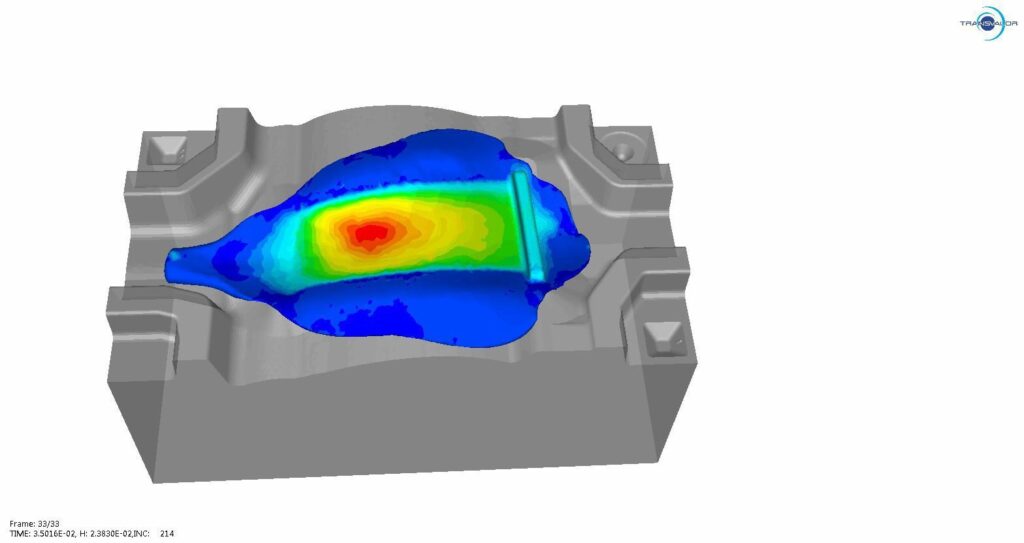
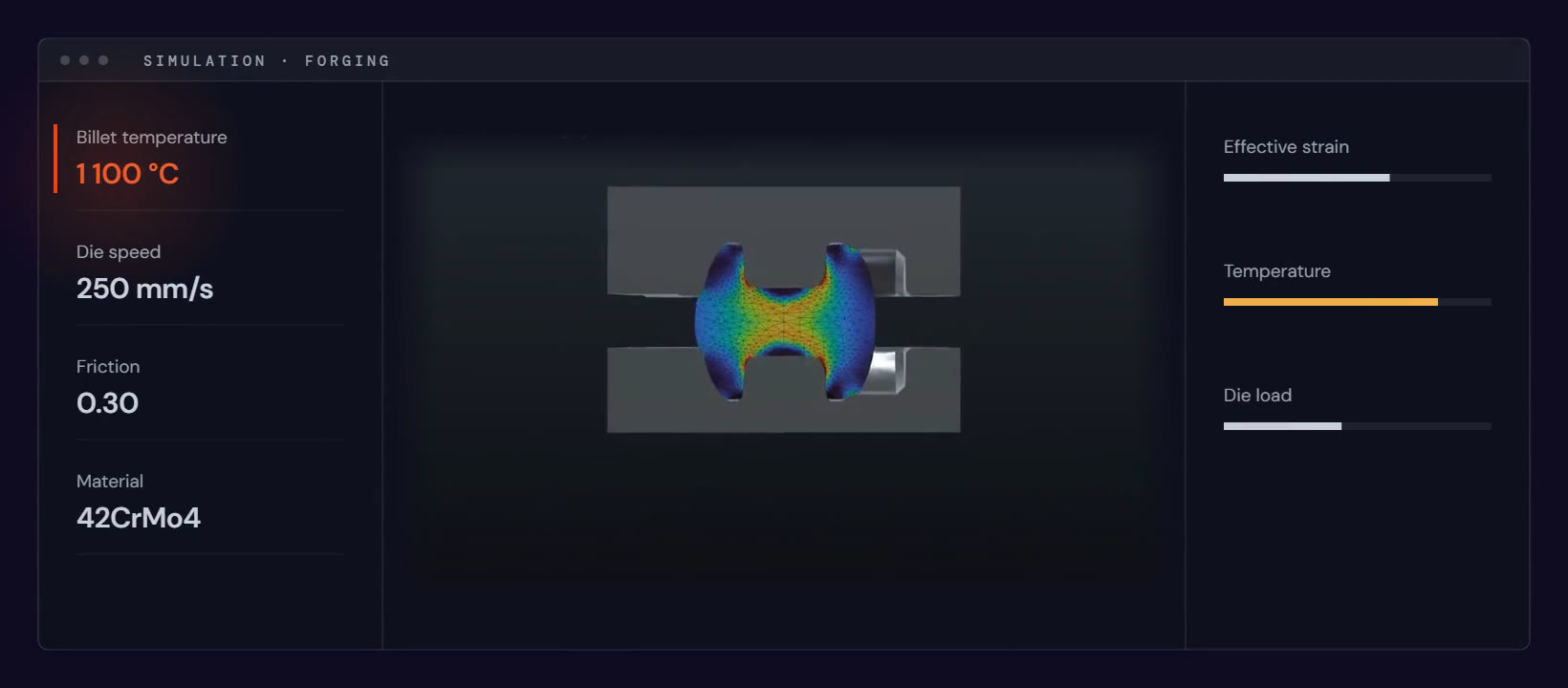
A physics-guided AI is trained on simulations of manufacturing processes. It has seen how metal flows, how temperature evolves, and how the die fills. Ask it how your part will deform, and it can give an estimate grounded in physics. The first AI talks about the process. The second has practiced it.
Why this matters in industry
In manufacturing, a plausible answer is not enough. Results must be physically consistent, and engineers must be able to trust them. That is why PHYSORA builds AI that learns from simulation rather than replacing it. Our models rest on the physics and on more than 40 years of simulation expertise at Transvalor.
Our approach in one line
Physics leads. AI accelerates.
Want to know more about how our models are built? Read our article on surrogate models.